
New Delhi, November 1, 2026: Village Panchayats across India could generate additional income by hosting electric vehicle (EV) charging and battery-swapping stations on suitable public land, following an agreement between the Ministry of Panchayati Raj and Convergence Energy Services Limited (CESL).
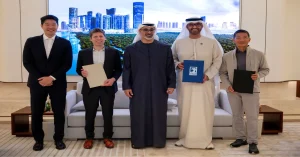
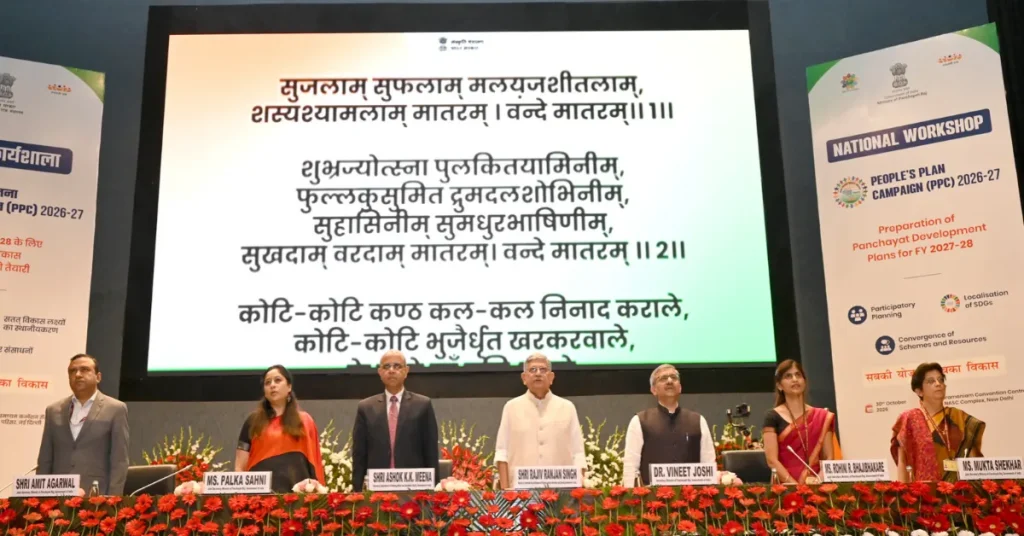
The two organisations signed a Memorandum of Understanding (MoU) during a national workshop in New Delhi on October 30. The agreement aims to expand EV charging infrastructure into rural areas while creating new revenue opportunities for local governing bodies.
Under the agreement, charging and battery-swapping facilities may be developed on land belonging to Gram, Block and District Panchayats, including suitable sites along national and state highways and within Panchayat premises.
The proposed facilities could serve electric two-wheelers, three-wheelers, cars and medium- and heavy-duty vehicles, depending on local demand and infrastructure requirements.
According to the Ministry of Panchayati Raj, the initiative is intended to help Panchayats increase their Own Source Revenue (OSR), which refers to income generated independently of government grants.
However, the ministry has not disclosed how Panchayats would earn money from the proposed stations, whether through land rent, revenue-sharing arrangements or other commercial models. No estimates of potential income have been announced.
Under the partnership, the Ministry of Panchayati Raj will coordinate with state departments to identify suitable locations and monitor implementation.
CESL, a wholly owned subsidiary of Energy Efficiency Services Limited (EESL) under the Ministry of Power, will be responsible for site assessments, demand aggregation, equipment supply and installation, testing, commissioning, operation and maintenance.
The agreement is expected to support the expansion of EV charging services beyond major cities, particularly in rural areas where access to charging infrastructure remains limited.
However, the government has not announced how many stations will be established, the total investment required, the locations of participating Panchayats or a timetable for construction and operations.
The MoU therefore establishes a framework for developing charging infrastructure rather than confirming that any specific facilities have been approved for construction or have begun operating.
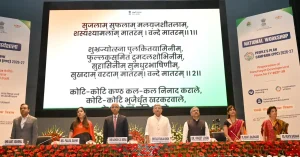
The agreement was signed during the National Workshop on the People’s Plan Campaign 2026–27, which was attended by more than 400 participants from across the country.
Union Panchayati Raj Minister Rajiv Ranjan Singh, also known as Lalan Singh, emphasised the need for Panchayats to strengthen their financial independence and improve village-level development planning.
The workshop also discussed the government’s Model Panchayat Tax, Rates and Fees Rules, which are intended to help rural local bodies strengthen revenue collection through more transparent and structured processes.
Officials highlighted the recently approved Pradhan Mantri Viksit Gram Swaraj Yojana (PM VGSY), aimed at improving Panchayat governance, planning and coordination among government departments.
Panchayati Raj Secretary Vineet Joshi also referred to the Sixteenth Finance Commission’s recommendation of ₹4,35,236 crore in grants for eligible Panchayati Raj institutions and rural local bodies across 28 states during 2026–31.
These recommended grants are separate from the EV charging partnership and do not represent funding allocated to the proposed charging stations.
The agreement could provide Panchayats with an additional source of income from suitable public land while supporting electric mobility in rural areas.
However, the scale of implementation and the financial benefits will depend on site selection, investment arrangements, commercial viability and the eventual installation and operation of the facilities.
Read also : India moves closer to restoring NavIC navigation services after successful NVS-03 launch
Read also : China’s manufacturing slips back into contraction in October as factory orders weaken